

The Hidden Damage Beneath Your Home: Crawl Space Moisture
Introduction to Crawl Space Moisture
When most homeowners think about property maintenance, they focus on what is visible: the roof, the siding, the landscaping, and the interior rooms. However, some of the most destructive issues a house can face lurk entirely out of sight. The area directly beneath your living space plays a massive role in the overall health and structural integrity of your property. Neglecting this lower zone can lead to severe structural decay, poor indoor air quality, and skyrocketing energy bills. Understanding why water accumulation happens down below is the first step in protecting your investment.
[IMAGE: A dark, damp crawl space showing signs of standing water and mold on the wooden floor joists.]
Moisture beneath a building is rarely a localized issue. Because of a scientific principle known as the stack effect, air from your lower level continuously rises into the upper living areas. This means that whatever is brewing underneath your floors—whether it is musty odors, mold spores, or damp air—ends up circulating through the very air you and your family breathe every single day. Recognizing the signs of trouble early can save you thousands of dollars in costly repairs down the road.
The Silent Destruction: How Dampness Harms Your Home
Excess water beneath your living quarters does not just sit quietly; it actively works to undermine the structure of your property. Wooden floor joists, support beams, and subflooring are all highly susceptible to rot when exposed to persistent high humidity. Once wood begins to decay, it loses its load-bearing capacity, leading to sagging floors, jammed doors, and uneven walls.
Structural Decay and Wood Rot
Wood-destroying fungi thrive in damp, dark environments. When moisture levels in timber rise above twenty percent, fungi can easily take root and begin digesting the cellulose that gives wood its strength. Over time, sturdy beams can transform into a spongy, compromised mess that requires extensive professional shoring or total replacement.
The Mold and Mildew Threat
Beyond structural timber damage, dampness creates an ideal breeding ground for toxic mold and mildew. Mold spores spread rapidly through the air ducts and floor cracks, triggering allergic reactions, asthma attacks, and other respiratory ailments for occupants. If you notice a persistent musty smell inside your home, the root cause is almost always originating from the neglected earth below.
[IMAGE: A technician inspecting a crawl space with a moisture meter and wearing protective gear.]
Attracting Unwanted Pests
Water accumulation does more than just rot wood and grow fungi; it acts as a welcoming beacon for all sorts of unwanted critters. Termites, carpenter ants, powder-post beetles, and rodents adore damp environments. Subterranean termites, in particular, require moisture to survive and will eagerly feast on softened, water-damaged floor joists.
Furthermore, damp insulation sags and loses its thermal resistance, making it an ideal nesting material for mice and rats. Keeping the lower level dry and sealed is one of the most effective pest control measures a homeowner can implement, reducing the likelihood of an infestation taking hold in hidden areas.
Solutions for a Dry and Healthy Foundation
Fortunately, you do not have to live in fear of what is happening under your floorboards. Modern waterproofing and encapsulation techniques offer permanent solutions to combat unwanted humidity. By taking a proactive approach, you can completely transform this problematic area into a clean, dry zone.
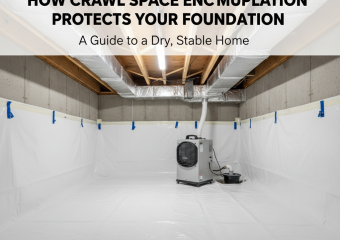
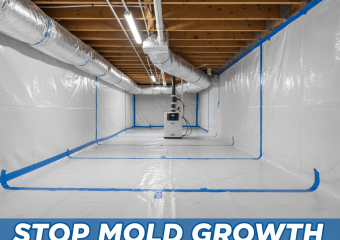
- Vapor Barriers: Installing a heavy-duty plastic liner over the exposed earth prevents ground moisture from evaporating into the air.
- Sump Pumps: If water pools visibly on the ground, a properly installed sump pump system will safely channel it away from the foundation.
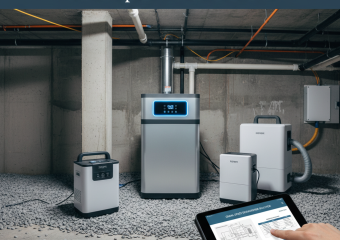
- Dehumidification: Implementing a commercial-grade dehumidifier keeps relative humidity levels below the threshold where mold and pests can thrive.
- Proper Venting and Sealing: Depending on your regional climate, completely sealing the space with encapsulation or ensuring balanced cross-ventilation will stabilize indoor conditions.
Conclusion
Your house functions as a single, interconnected ecosystem. When the foundation or the area beneath your living quarters suffers, the rest of the structure inevitably feels the impact. By addressing dampness issues early through encapsulation, proper drainage, and regular inspections, you safeguard your family health, lower your monthly energy costs, and preserve the long-term value of your property. Do not wait for sagging floors or expensive structural repairs to take action—inspect your lower levels today and ensure your home stands on solid, dry ground.