

How to Choose the Right Crawl Space Dehumidifier
Understanding Crawl Space Encapsulation
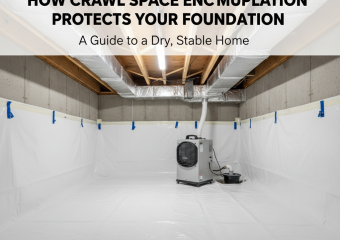
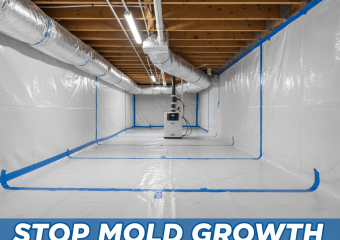
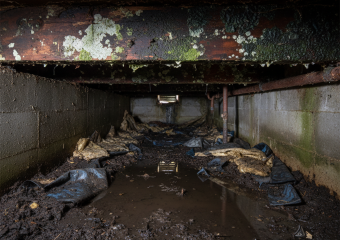
Transforming your home’s lower level through encapsulation is one of the best ways to protect your property from moisture, mold, and structural decay. By sealing the earth with a heavy-duty vapor barrier and closing off vents, you create a controlled environment. However, sealing the area is only half the battle. To truly keep humidity levels in check, you need to invest in a specialized climate control appliance. Choosing the right unit can feel overwhelming, but understanding your home’s unique needs makes the decision much simpler.
Key Factors to Consider When Shopping
Not all moisture control units are created equal. Walking into a big-box store and grabbing a standard basement appliance simply will not work for a sealed subterranean area. You need a device specifically engineered to handle the unique challenges of a confined, damp environment.
1. Sizing and Capacity (Pints Per Day)
The first metric you must evaluate is the capacity of the unit, usually measured in pints of water removed per day (PPD). A small space might only require a 50-pint model, while larger footprints or homes in particularly humid climates could demand a heavy-duty 70-pint or 90-pint system. Always calculate the square footage and cubic volume of your lower level before making a purchase.
2. Low-Temperature Operation
Subterranean levels tend to stay much cooler than the main living areas of a house, often hovering in the 50s or low 60s Fahrenheit. Standard portable appliances struggle in these cooler conditions and frequently freeze up, rendering them completely useless. You must look for a model equipped with an automatic defrost feature, allowing the coils to clear themselves and continue functioning efficiently year-round.
Drainage Options and Maintenance
Because these appliances run continuously in hard-to-reach areas, convenience features are paramount. Emptying a manual bucket every single day is neither practical nor sustainable when dealing with a sealed subterranean space.
Gravity Drainage vs. Condensate Pumps
Look for a model that offers continuous gravity drainage. If your setup allows the unit to sit high enough above a floor drain or sump pump basin, a simple hose will do the trick. If not, you will need a built-in or external condensate pump that can actively push collected water up and out of the space.
Filtration and Air Quality
A good moisture control system should also help clean the air. MERV filters or washable pre-filters capture dust, mold spores, and debris, protecting the internal components of the appliance and improving the overall air quality circulating upward into your living spaces.
Making Your Final Decision
Investing in the correct climate control system safeguards your entire home investment. Take accurate measurements, check the operating temperature ranges, and prioritize automated drainage to ensure long-term success. With the right setup, you can enjoy a dry, healthy home for years to come.