

How Crawl Space Encapsulation Protects Your Foundation
Understanding Your Home’s Hidden Foundation
When most people think about home maintenance, they focus on things they can see every day, such as the roof, siding, or interior walls. However, some of the most critical structural components of your house exist completely out of sight. The crawl space beneath your home plays a massive role in overall structural integrity, indoor air quality, and energy efficiency. Unfortunately, because it is tucked away, it is often neglected until serious issues arise.
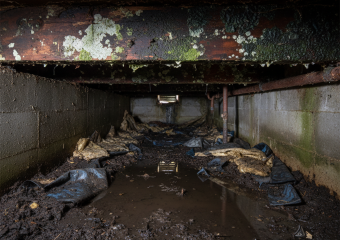
An open, unsealed crawl space acts as a sponge for ground moisture and outside humidity. Over time, this damp environment can wreak havoc on your wooden floor joists, subflooring, and concrete foundation walls. This is where crawl space encapsulation comes into play, offering a reliable defense mechanism that preserves the longevity and safety of your entire house.
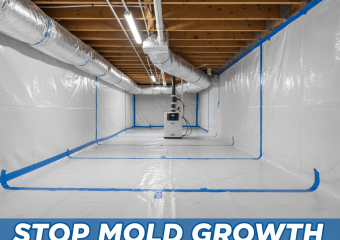
[IMAGE: A clean and modern encapsulated crawl space featuring a thick white vapor barrier and bright LED lighting.]
What is Crawl Space Encapsulation?
Crawl space encapsulation is the comprehensive process of sealing the area beneath your living space to block moisture, humidity, and external air leaks. Instead of letting outside weather dictate the conditions under your floors, encapsulation transforms the zone into a clean, controlled environment.
A standard encapsulation project typically involves several key steps:
- Installing a heavy-duty vapor barrier across the dirt floor and up the foundation walls.
- Sealing all vents, gaps, and entry points where outside humid air can infiltrate.
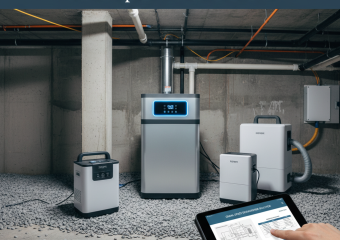
- Implementing active moisture control tools, such as drainage systems or a dedicated crawl space dehumidifier.
How Moisture Threatens Your Foundation
To understand why sealing your crawl space is so important, it helps to look at how water interacts with your home’s structure. The ground beneath your house naturally releases moisture upward. In an unsealed environment, that moisture rises directly into the framing materials.
Wood Rot and Structural Sagging
Wooden floor joists and support beams absorb ambient moisture day after day. When wood stays damp for extended periods, it becomes soft, prone to rotting, and structurally compromised. Eventually, this weakening can lead to sagging floors, jammed doors upstairs, and costly structural repairs.
Shifting Soils and Concrete Stress
Excess moisture doesn’t just affect wood; it alters the soil beneath your foundation. Wet soil expands, and dry soil shrinks. This constant shifting puts immense pressure on concrete foundation walls, leading to cracks, bowing, and destabilization over time.
[IMAGE: A worker carefully sealing the seams of a heavy-duty vapor barrier along a concrete foundation wall.]
Key Benefits Beyond Foundation Protection
While safeguarding your home’s structural base is the primary advantage, crawl space encapsulation delivers a wide array of secondary benefits that enhance your everyday living experience:
- Better Indoor Air Quality: Up to half of the air you breathe on your main floor originates from your crawl space. Sealing out mold and mildew ensures cleaner air throughout your home.
- Pest Prevention: Insects, rodents, and other pests thrive in damp, dark spaces. Encapsulation removes the humidity and water sources they need to survive, reducing the likelihood of infestations.
- Energy Savings: A sealed crawl space stabilizes temperatures beneath your home, reducing the workload on your HVAC system and lowering monthly utility bills.
Safeguard Your Investment Today
Ignoring the conditions beneath your floors can invite expensive repairs down the road. By investing in professional crawl space encapsulation, you create a robust barrier against moisture, protect your structural framing, and secure your home’s overall value. Taking proactive steps today ensures a sturdy, safe foundation for years to come.