

2026 Atlanta Homeowners: Why Crawl Space Encapsulation is Essential
Atlanta Crawl Space Encapsulation: Why 2026 Homeowners Can’t Afford to Skip It
Atlanta, a bustling metropolitan that’s not only known for its vibrant culture and bustling economic activity but also for its humid subtropical climate. This particular climate condition creates a unique challenge for homeowners, particularly in maintaining the integrity of their home’s foundation and crawl space areas. For those planning or currently owning a home in 2026, crawl space encapsulation isn’t just an upgrade; it’s a necessity. Here’s why.
Understanding Crawl Space Encapsulation
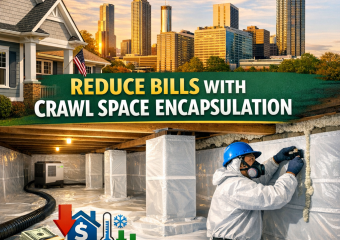
Crawl Space Encapsulation is a process where your home’s crawl space is sealed off from external moisture sources with the use of vapor barriers, dehumidifiers, and sometimes sump pumps. This method transforms a potentially problematic area into a controlled environment, protecting your house from moisture-related issues.
Key Benefits
- Moisture Control: By sealing off external humidity and moisture, encapsulation prevents mold growth and wood rot.
- Improved Air Quality: A sealed crawl space stops harmful gases and mold spores from entering your home, ensuring cleaner indoor air.
- Energy Efficiency: Encapsulation can reduce the energy costs by stabilizing the temperature in the crawl space.
Why Atlanta Homeowners Can’t Skip Encapsulation In 2026
Increased Environmental Concerns
With changing climate patterns, Atlanta has been experiencing higher levels of humidity and rainfall. These conditions can lead to increased moisture levels in homes, which is a recipe for structural and health problems. Encapsulating your crawl space helps mitigate these risks and ensures a safer, drier foundation.
Better Home Value and Marketability
In the real estate market, homes with encapsulated crawl spaces often fetch higher prices. Buyers are increasingly aware of the benefits this feature brings, making it a lucrative upgrade for homeowners thinking of selling.
Regulatory Trends
Looking towards 2026, there is an emerging trend in building codes and regulations that prioritize buildings being resilient against climate-related issues. Homes that are prepared and compliant with these evolving standards will likely face fewer hurdles if and when new regulations come into effect.
How To Get Started With Encapsulation in Atlanta
1. Assess Your Needs
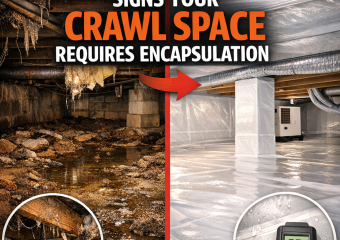
Consider the current condition of your crawl space and any recurring issues you have noticed, such as dampness, foul odors, pest infestations, or mold growth. These are signs that your crawl space is a good candidate for encapsulation.
2. Choose the Right Materials and Services
Selecting high-quality vapor barriers and a reputable service provider is crucial. Look for contractors who specialize in crawl space work and have good reviews in the Atlanta area.
3. Regular Maintenance
After encapsulation, regular checks and maintenance are necessary to ensure the system functions effectively. Keep an eye on the humidity levels and the condition of the vapor barriers and dehumidifier.
Common Myths Debunked
Myth 1: It’s too expensive. While upfront costs can be significant, the long-term savings in utility bills and avoided repair costs can make it a financially sound decision.
Myth 2: It’s only for old homes. New constructions can also benefit enormously from encapsulation, as it prevents potential problems from ever arising.
Myth 3: It’s unnecessary in a dry year. Weather can be unpredictable; encapsulation ensures your home is protected no matter the yearly trends.
In Conclusion
As we look towards 2026, the case for crawl space encapsulation in Atlanta only grows stronger. Whether it’s combating the effects of increased rainfall and humidity or enhancing your home’s market value, this once optional upgrade has transformed into a critical necessity for current and future homeowners in the region. Don’t wait for the effects of moisture to manifest within your living spaces; consider encapsulating your crawl space today to safeguard your home tomorrow.